
Sports Injury Guide
The Tommy John Injury
A torn elbow ligament once ended careers. Today, the surgery named after the first pitcher to survive it has become one of the most common — and most preventable — procedures in sports.
What It Is
A ligament under too much stress
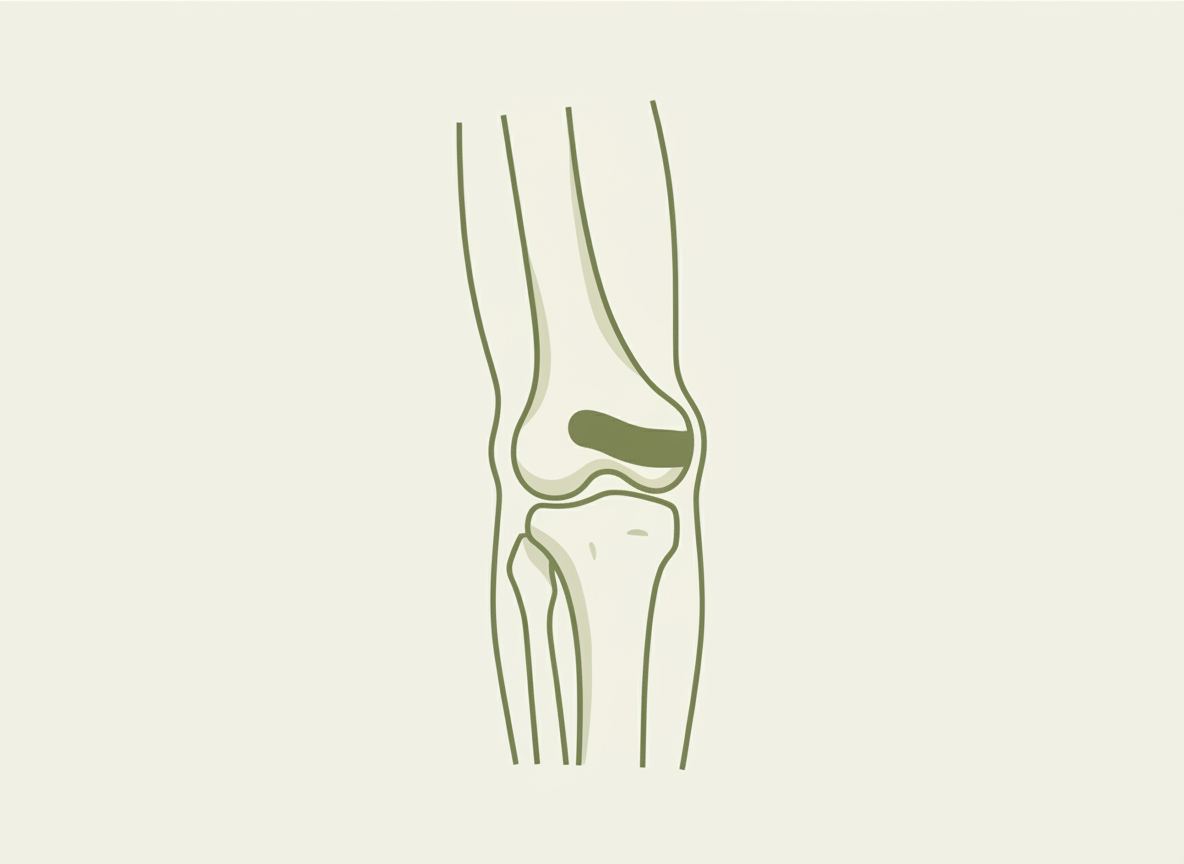
The Tommy John injury refers to a tear of the ulnar collateral ligament, or UCL — a band of tissue on the inner side of the elbow that stabilizes the joint during throwing. Repeated high-velocity motion can stretch and eventually rupture it.
The corrective procedure — UCL reconstruction — is named for Tommy John, the Major League pitcher who in 1974 became the first athlete to undergo it and return to the game.
Know the warning signs
Inner elbow pain
A persistent ache along the inside of the elbow, often sharpest at the moment of release when throwing.
Lost velocity
A sudden drop in throwing speed or control can signal that the ligament is no longer stabilizing the joint.
Tingling fingers
Numbness or tingling in the ring and little fingers may point to nerve irritation near the damaged ligament.
Recovery & Return
The road back is long, but proven
In reconstruction, a surgeon replaces the torn UCL with a tendon graft taken from elsewhere in the body. Rehabilitation is gradual and disciplined — most throwing athletes need twelve to eighteen months before returning to full competition.
Success rates are high, with the large majority of athletes returning to their previous level of play. Patience through structured physical therapy is the single greatest predictor of a strong recovery.

Prevention beats reconstruction
Manage pitch counts, prioritize proper mechanics, and never throw through pain. Most UCL injuries build over years of overuse — and most are avoidable with the right training and rest.

