Protect the Knee. Prevent the Tear.
A few smart habits — built into every warm-up and training session — can keep an ACL injury from ending your season. Start with prevention today.
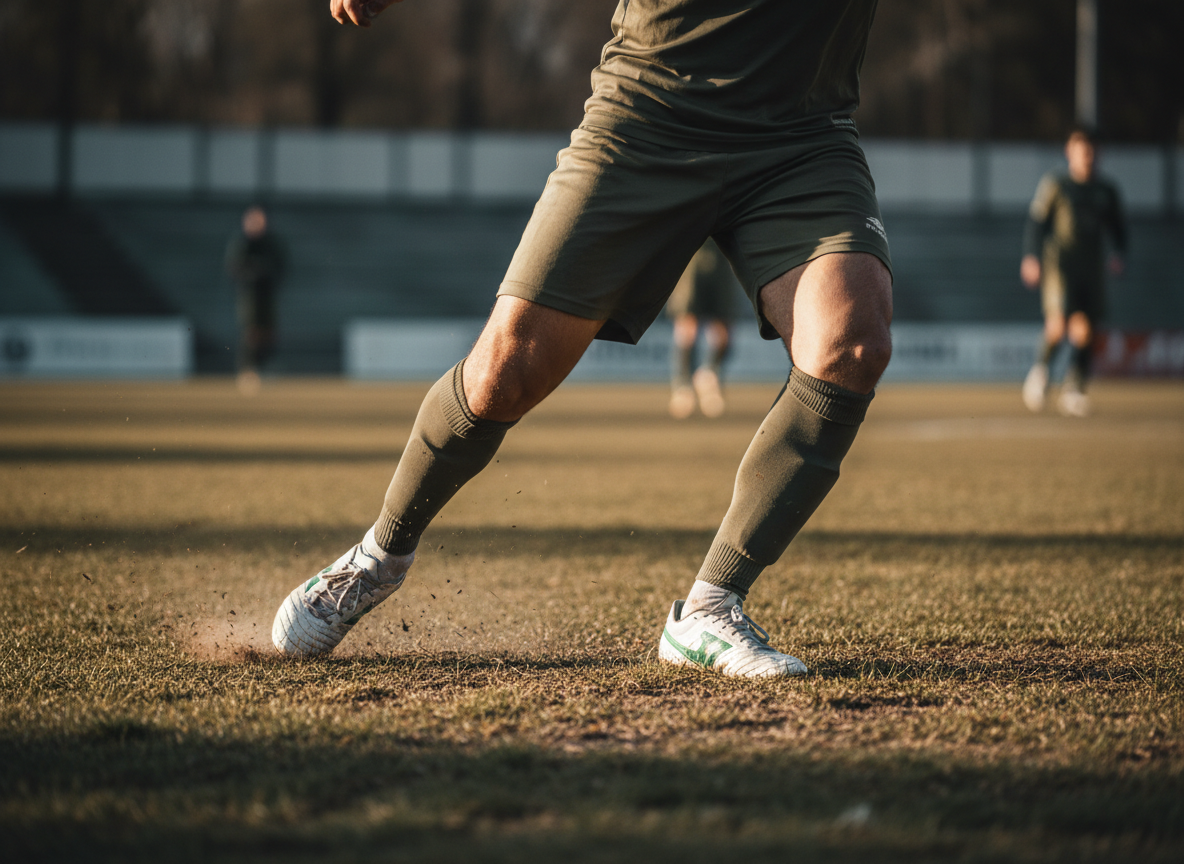
Sports Medicine · Knee Health
Understanding ACL Injuries
The anterior cruciate ligament is one of the most commonly injured structures in the knee. Knowing how these injuries happen — and how to prevent them — keeps athletes on the field.
The Basics
What Is an ACL Injury?
The anterior cruciate ligament (ACL) is a band of tissue that runs diagonally through the center of the knee, connecting the thigh bone to the shin bone. It stabilizes the joint and controls the back-and-forth and rotational movement of the knee.
An ACL injury is a sprain or tear of that ligament. It ranges from a partial stretch to a complete rupture, and it happens most often during sports that involve sudden stops, changes in direction, jumping, and landing.
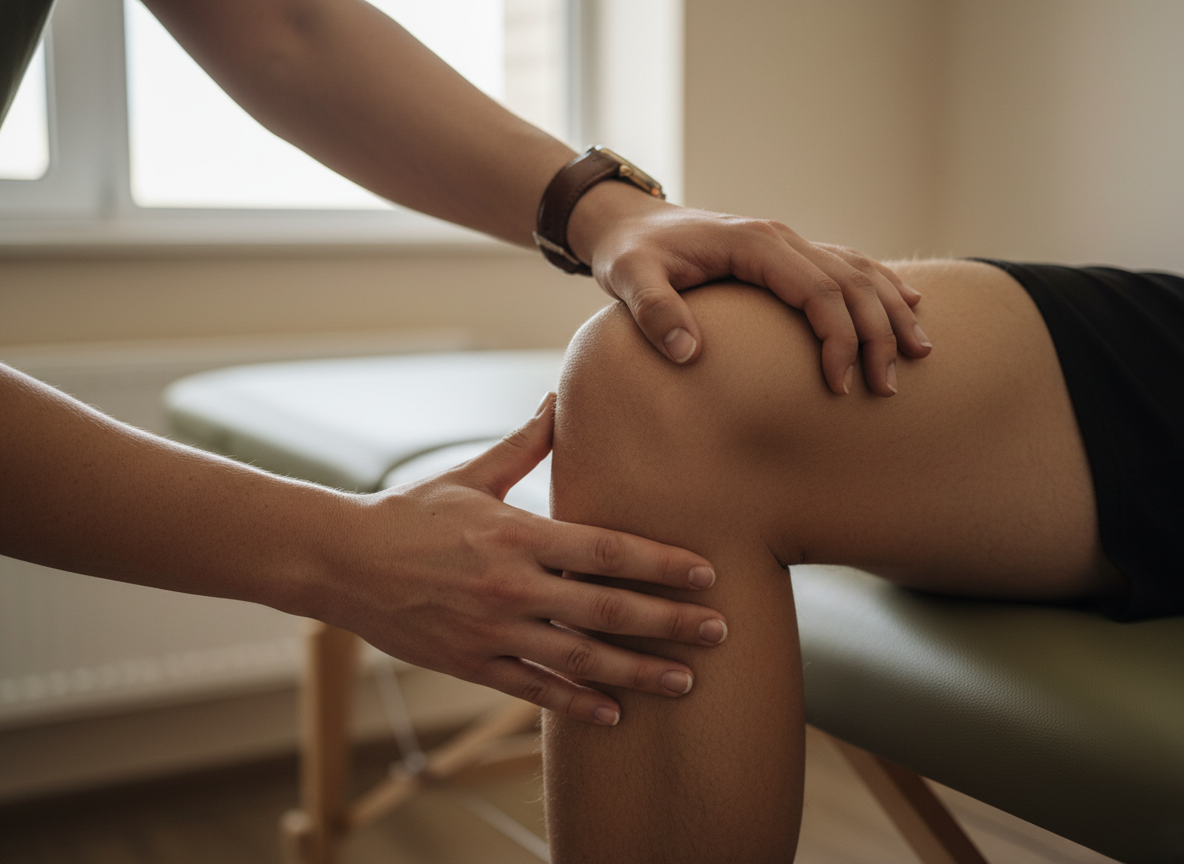
Why It Happens
Common Causes & Risk Factors
Most ACL injuries are non-contact — the result of how the body moves rather than a direct blow. Several factors raise the risk.
Movement Patterns
- Sudden stops and rapid changes in direction
- Landing awkwardly from a jump
- Pivoting with the foot planted
- Direct collision or blow to the knee
Individual Risk Factors
- Weak or imbalanced hip and core muscles
- Poor landing and cutting mechanics
- Fatigue and inadequate conditioning
- Previous ACL injury or worn footwear on the playing surface
Know the Signs
Warning Signs of an ACL Injury
Many athletes describe a distinct “pop” at the moment of injury. Recognizing the symptoms early leads to faster, better-guided care.
- A loud “pop” or popping sensation in the knee
- Rapid swelling within the first few hours
- Severe pain and inability to continue activity
- A feeling of instability or the knee “giving way”
- Loss of full range of motion in the joint
If you suspect an ACL injury, stop activity and seek evaluation from a sports-medicine professional.

Stay in the Game
Prevention Strategies
Structured neuromuscular training programs can significantly reduce ACL injury rates. Consistency across a season matters more than intensity in any single workout.
- Strengthen the hips, glutes, hamstrings, and core
- Practice proper landing and cutting technique
- Train balance and proprioception regularly
- Warm up dynamically before every session
- Manage fatigue and allow adequate recovery
The Road Back
Recovery Considerations
Recovery depends on the severity of the injury and the demands of the athlete’s sport. Some partial tears respond well to guided rehabilitation, while complete tears often require surgical reconstruction followed by a structured program.
Return to play is a gradual process that restores strength, range of motion, and confidence in the knee. Rushing back too soon raises the risk of re-injury — patience and objective milestones protect long-term joint health.

